
Telomeres, Cellular Ageing & The Longevity Connection
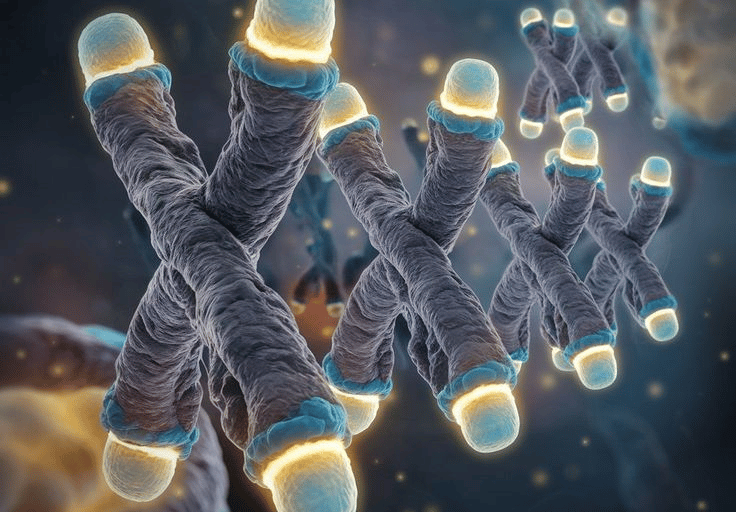
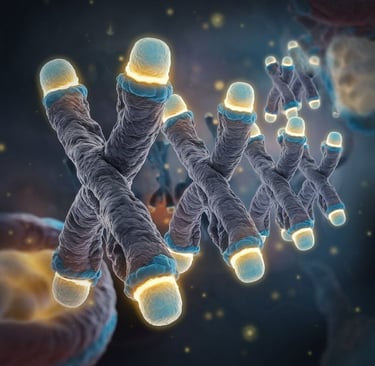
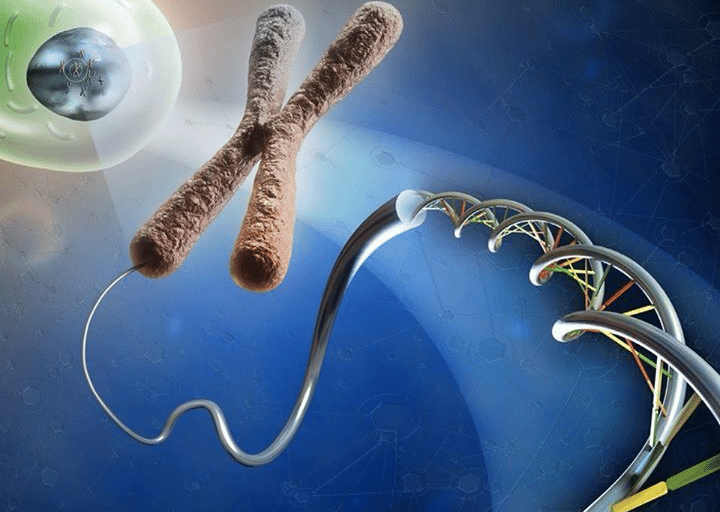
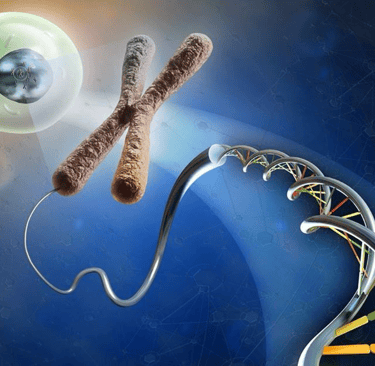
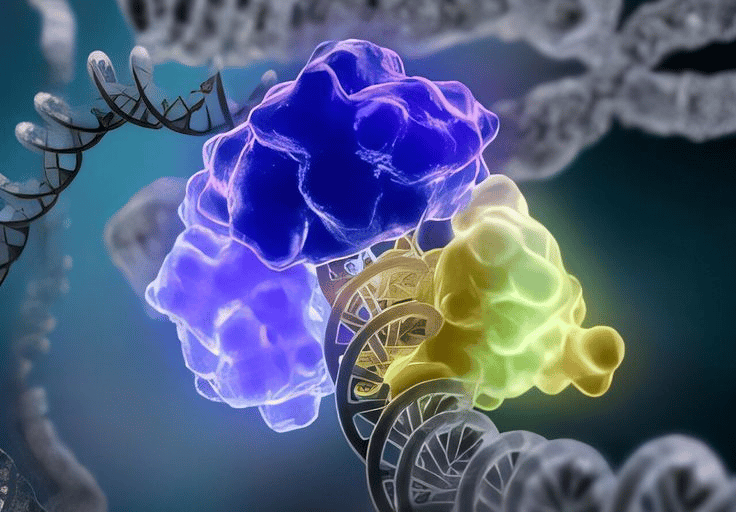
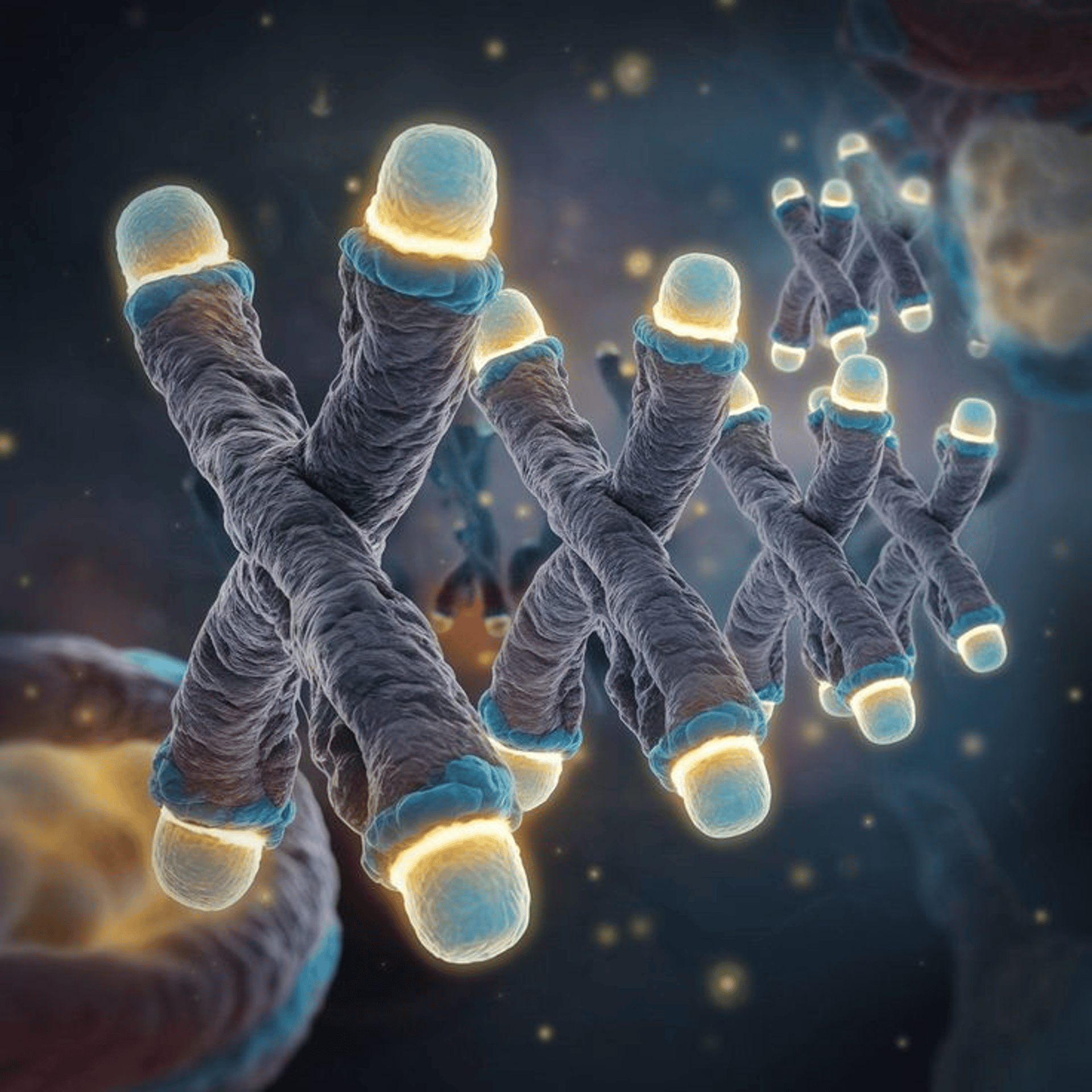
At the core of biological ageing lies a microscopic structure known as the telomere—protective DNA caps located at the ends of chromosomes. Each time a cell divides, telomeres gradually shorten. When they become critically short, the cell enters senescence, losing its ability to regenerate effectively. This process is considered one of the fundamental biological clocks governing human ageing.
Modern longevity research identifies two primary accelerators of telomere shortening:
• Oxidative stress caused by reactive oxygen species (ROS)
• Decline in cellular energy metabolism, particularly reduced NAD⁺ availability affecting DNA repair mechanisms
Astaxanthin and Telomere Protection
Red Algae–derived Astaxanthin is recognised for its exceptional antioxidant potency, helping neutralise ROS that contribute to DNA and telomere damage. By reducing oxidative burden at the cellular level, antioxidant defence systems may help preserve telomere integrity over time.
NMN, NAD⁺ and Cellular Repair Pathways
Nicotinamide Mononucleotide (NMN), a direct precursor to NAD⁺, supports cellular energy production and activates longevity-associated repair pathways, including sirtuin activity involved in genomic maintenance and cellular resilience. Adequate NAD⁺ availability is closely linked to improved DNA repair efficiency, which plays a role in protecting telomere stability during cellular replication.
The Cellular Longevity Synergy
When high-potency antioxidant defence (Astaxanthin) is combined with NAD⁺ restoration support (NMN), the cellular environment becomes more favourable for:
• Reduced oxidative damage to telomeric DNA
• Enhanced cellular repair mechanisms
• Improved mitochondrial performance
• Support of long-term cellular vitality
PureVibe Longevity Concept – Red Algae Astaxanthin + NMN
Designed within a biohacking-inspired longevity framework, the PureVibe formulation integrates advanced antioxidant protection with cellular energy restoration—supporting biological resilience at the DNA and cellular performance level, where the visible signs of ageing truly begin.